
Silver
An abandoned silver mine, a ghost town, a little hamlet in the far north-west coast of Sardinia called Argentiera
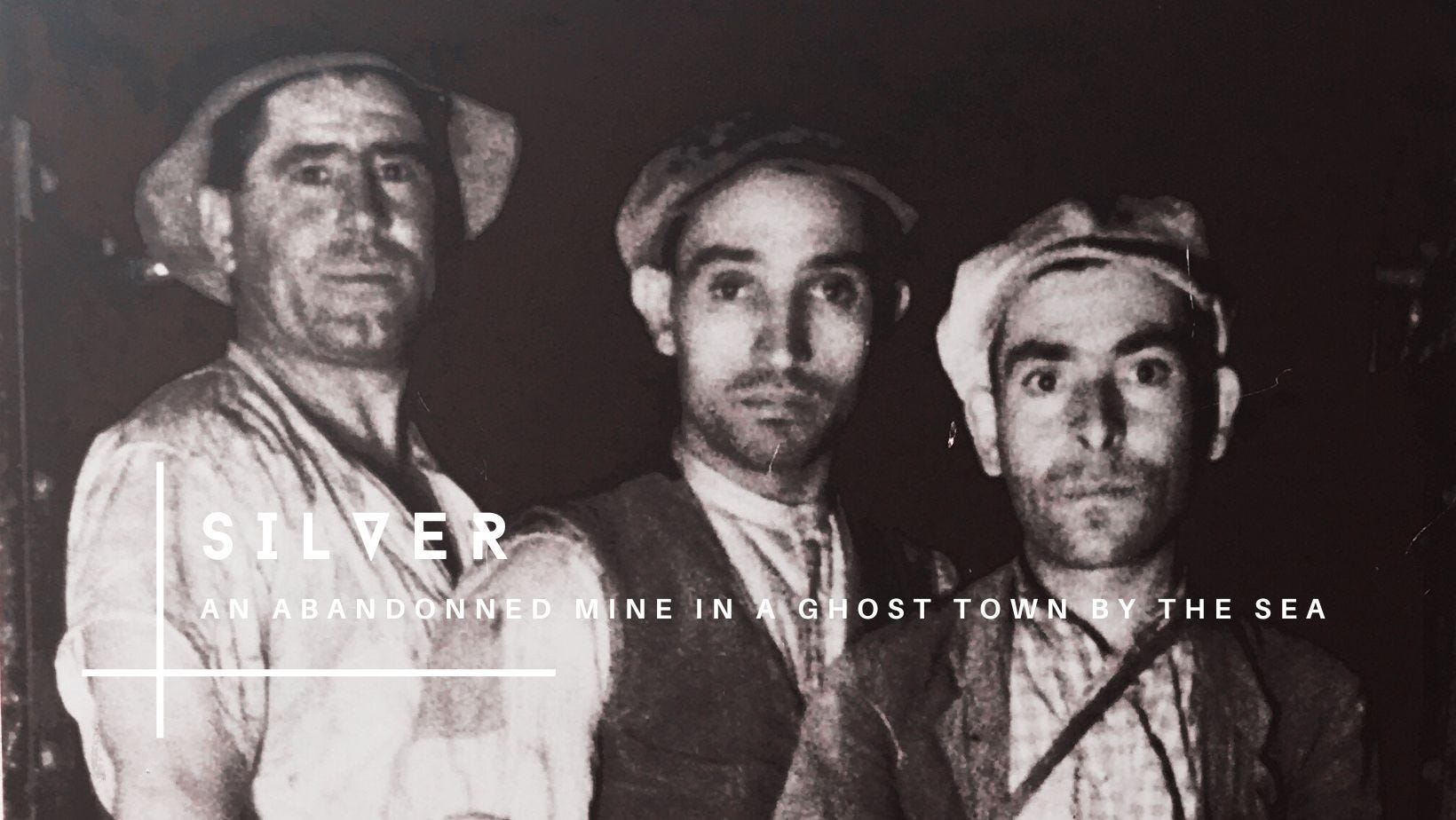
While we wait for our bloody project approval, I thought you might like to join me on a little trip up the coast to a little pot of silver called Argentiera!
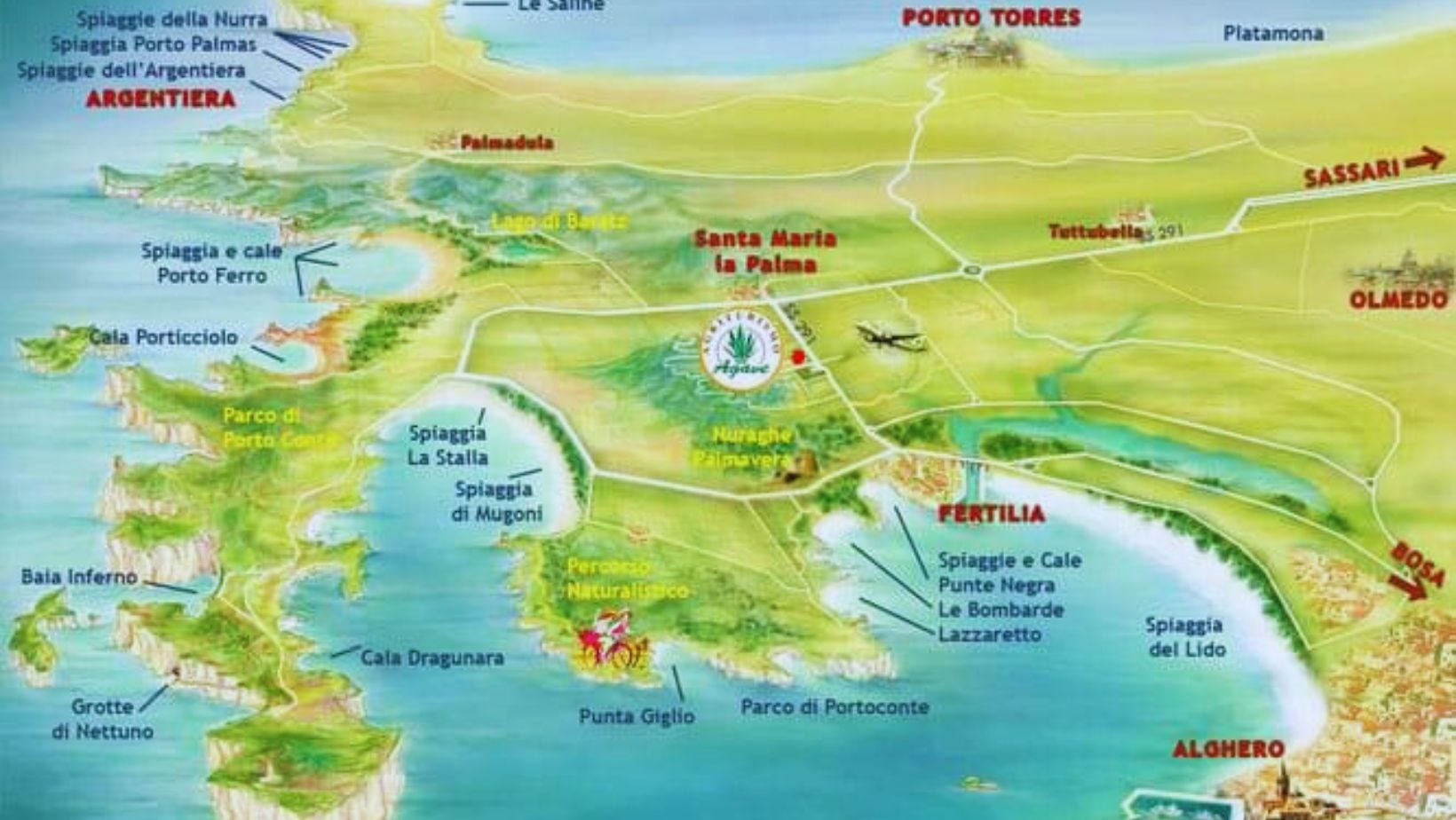
On the far northwest coast of Sardinia, there’s a small village - a hamlet really - which we often visit. It’s one of my favourite places here.
Unless you want to do a long arduous coastal cliff walk through the macchia mediterranea, there is only one way into Argentiera; a long twisty road down some steep hills from Palmadula (approx 200 meters above sea level). The views of the sea are spectacular for the passengers. The driver has to keep their eyes on the winding road and on any cyclists brave enough to attempt the journey. And, best to go in the morning when the sun is at your back.
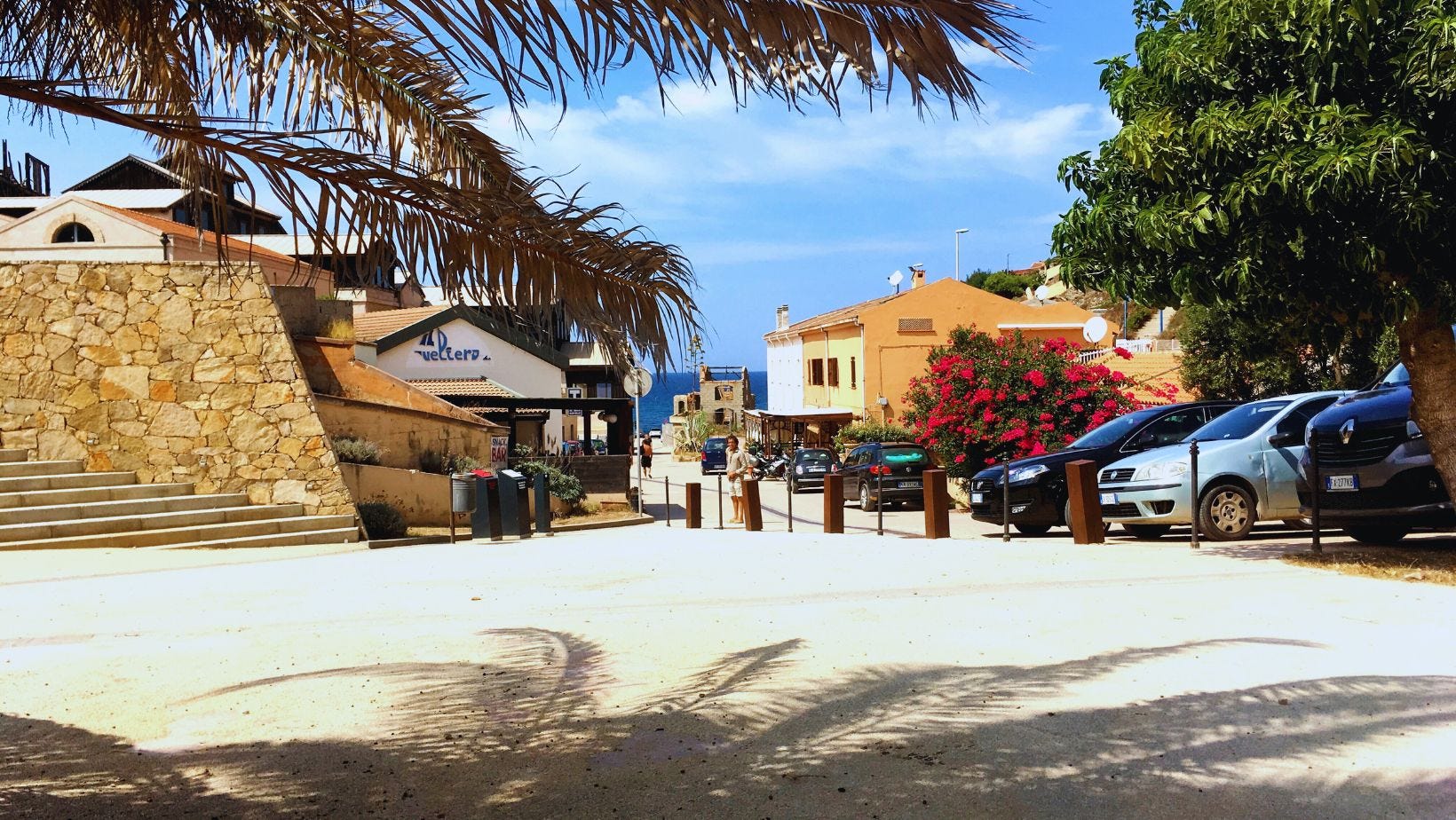
Argentiera is tiny and sparsely inhabited, c.70 permanent residents I think, but there are more folks about in summer when people come to stay in their summer cottages and tourists fill up the local hostel, Airbnbs, B&Bs, and the hotel.
It even has some celebrity status - it was the 1968 setting for the opening scene of the cult classic ‘Boom!’, starring Liz Taylor and Richard Burton! In fact, most of the film was shot in Sardinia.
Argentiera is actually an abandoned mine. Mining started with the Phoenicians and was carried on by the Romans. Throughout its history, Sardinia has been raped, pillaged, and plundered for its natural resources by its mainland rulers. This is just another example. At the beginning of the second half of the 19th century, mining was revived on the initiative of a noblewoman from Sassari. Some historians say it was reopened in the 19th century by a Belgian company, called “Società di Corr’e boi”, while others suggest a Ligurian mining company, the Correboi Company, established an enterprise there in 1890. Belgian or Ligurian, seems to be the same company. In any case, by the early 20th century, a veritable town had developed around the mine, with a working-class microcosm. The mining village was thriving by the 1940s but then declined after World War II. Seems during WWII many locals even used it as a bomb shelter. In 1963, when waves of Sardinians migrated off the island, the mine was closed and left to crumble. Now it’s one of the abandoned mining sites included in Sardinia’s Geomining Park (Parco Geominerario della Sardegna).
Another little celebrity note is that the French writer Honoré de Balzac, visited the village in 1838 with the intention of making his fortune with silver mining.
An unsuccessful expedition, from which Balzac brought back two contrasting impressions: the impression of “a profound and incurable poverty” on the one hand, and the enchantment of “customs of surprising richness” on the other. ~ Honoré de Balzac. Voyage en Sardaigne


A ghost town with plenty of ghost stories and, according to some, paranormal activity due to the many collapses in the mines when it was active!
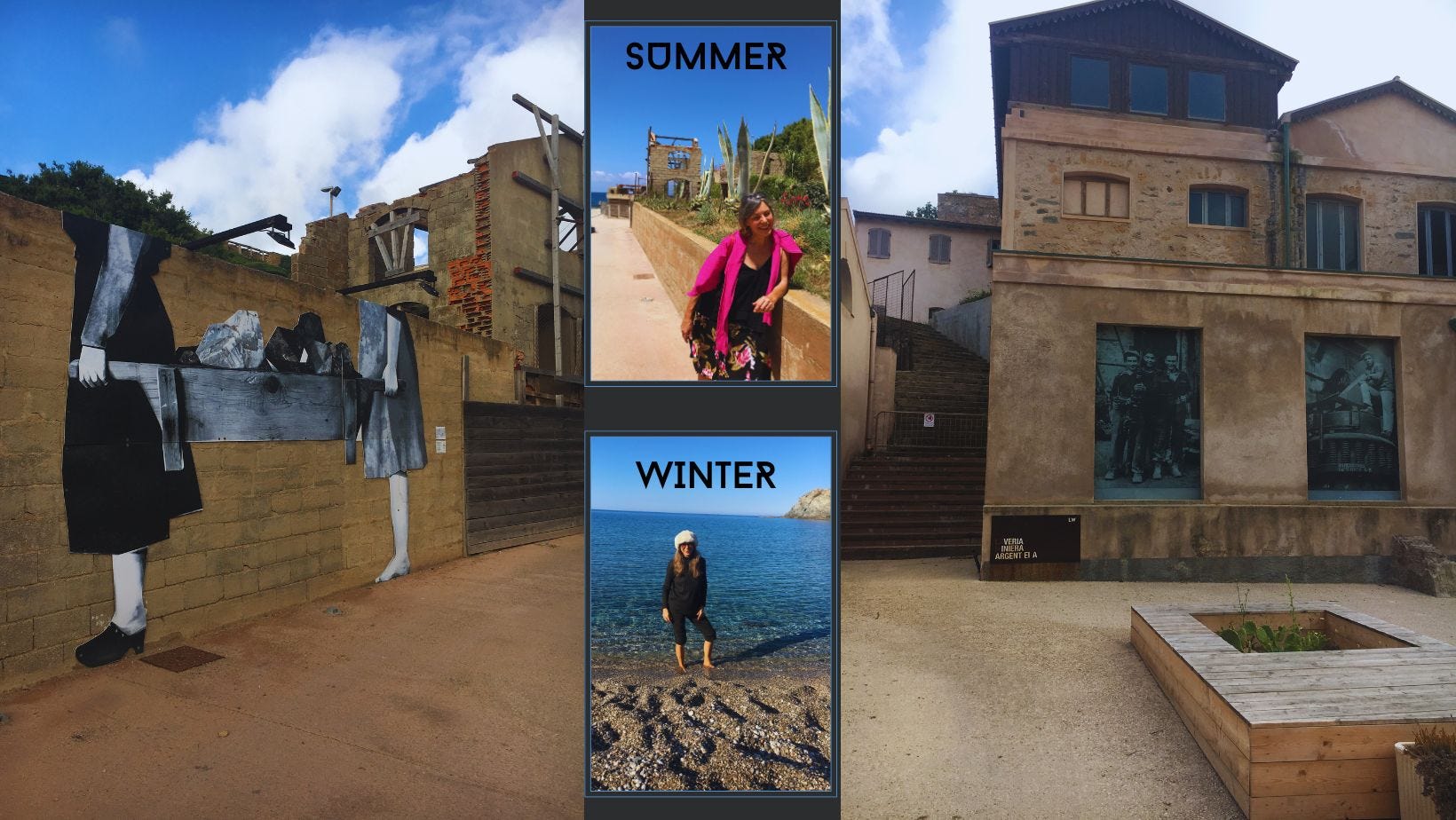
Since 2017, they’ve been restoring it and have created a museum to tell the story of the mine. A really interesting and innovative project with building restoration, old photos blown up for display, some augmented reality video projects, a bit of wonderful street art and murals by a number of Sardinian artists, and the creation of public spaces for events.
Incidentally, Sardinia has quite a long history, going back to the 60’s, of murals and street art and you’ll find them all over the island - much of it revolutionary in nature. The murals in Orgosolo and San Sperate are particularly well known. If you’re interested in this sort of thing, there’s a fascinating little tour in this blog piece here.
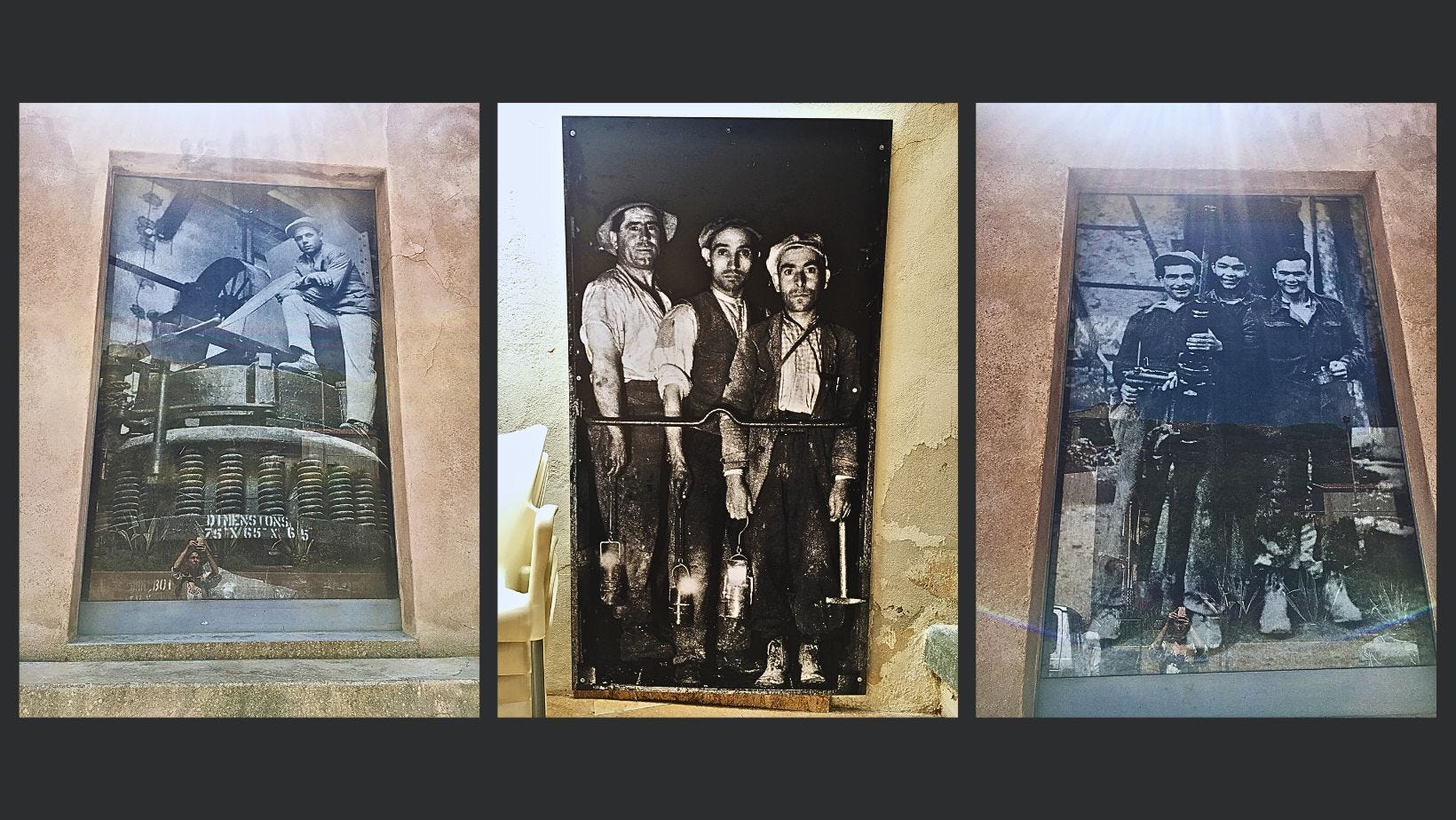
Since 2017, the former mining site has been home to Landworks, the organization entrusted with the redevelopment project. They chose to carry on the renovation through restoration workshops and art by establishing, in 2019, the MAR Museum (MAR-Miniera Argentiera) with the ambitious goal of engaging visitors with art, architecture, and the beautiful mining landscape of the area. ~ Hidden Gems Sardinia: Argentiera, urban art inside a former mining site
We’ve been going to Argentiera for years. We don’t go for the mine or the museum. In winter we go for invigorating blustery coastal walks among the elicriso and wild rosemary and in summer for baths in the salty sea followed by an ice cream.
Sometimes we just go for a coffee or a spot of lunch. There’s a little restaurant there, Bar Ristorante Il Veliero (@il_veliero_argentiera), that we used to frequent but less now that the ownership has changed and quality dropped - maybe it’s got better. Some days we’d stop on the terrace for a linguine alle vongole or fried sardines and others we’d just grab a roll with deep-fried calamari or octopus salad to eat on the beach. These days we mostly just stop in for a coffee after a picnic.
It’s also become a bit of a January 1st tradition for us to go to Argentiera. Most years with the family but last year we joined a large group of friends there. Quite a few even took a New Year’s dip in the chilly sea!
Summer or winter there is always the same bright blue sky - but, then, of course, we don’t generally go on rainy days!
Unlike beaches further south with their fine white sand, the Argentiera beach is quite rocky - a gritty amber-grey mix of medium-grain sand, gravel, and pebbles which glitter in the sun with old mining powders.
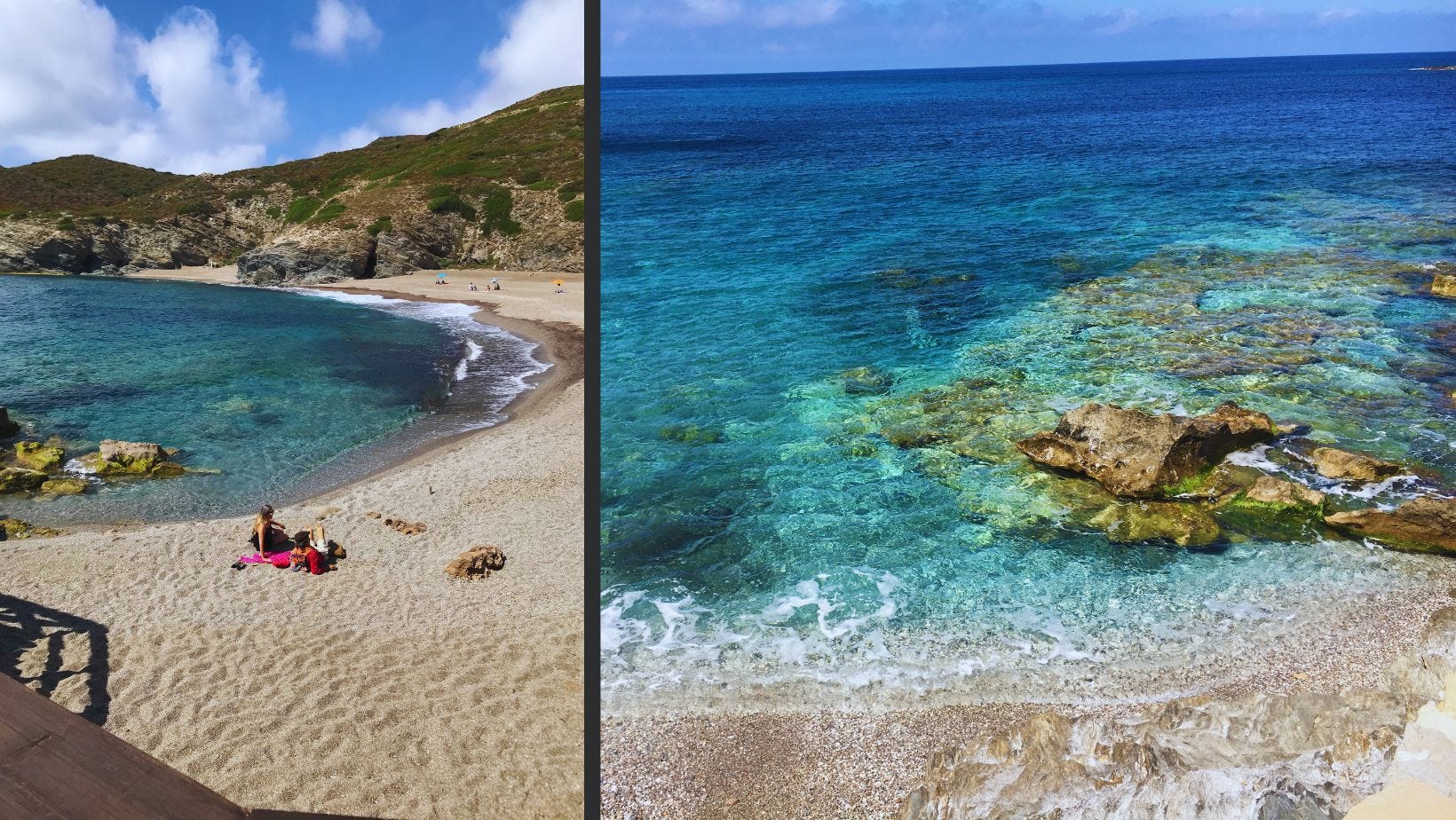
And the sea - majestic in all its power and glory - changes from day to day. Often calm and quiet in summer, showcasing the rich turquoise and blues sparkling in the summer sun; it can also be dark, wild and choppy on days when the mistral is strong.
Interested in learning more or planning a trip to see for yourself? Check out these links:
Hidden Gems Sardinia: Argentiera, urban art inside a former mining site
Tellas, contemporary experimental Sardinian artist - ‘La Scala’ (Stairs) project Argentiera
Well, that’s me. Thanks for joining me on this little trip to the rather lovely, silvery hamlet of Argentiera.
Take care of you!
F ox
If you enjoyed my little musings here, please click on the heart at the bottom or the top of this post. It helps others discover Notes from Sardinia, and also, of course, sparks my joy!
PS Come visit The Citrus Grove website or follow us on Instagram.
Unless external credit given, all images copyright Fiona Pape.